

by Rafey Iqbal, Last updated: June 2, 2025
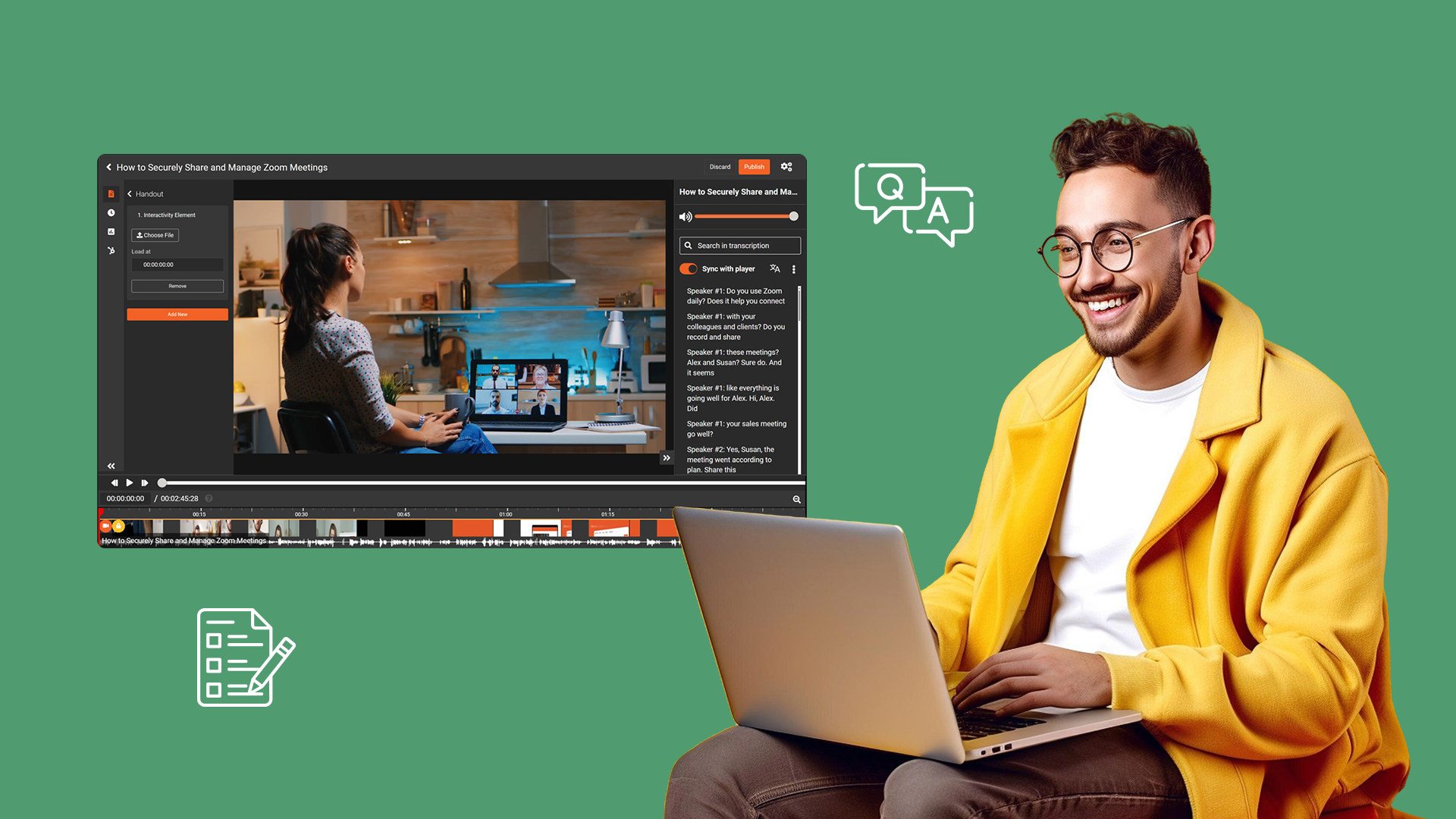
Struggling with low video engagement? Discover how interactive video can turn passive viewers into active participants through quizzes, CTAs, and branching paths—boosting retention, conversions, and measurable impact.
Have you ever spent hours, even days, crafting the perfect video only to watch it fall flat with viewers? Low engagement, high bounce rates, and, worst of all, no measurable impact.
It’s like all that effort just vanishes, right? That’s the reality many of us face when our audience skims, clicks away, or tunes out from our videos. And it’s painful, especially when we know how crucial those videos are to driving our goals forward.
This is a pain point for communications professionals, learning and development leaders, digital marketers, customer experience managers, and IT specialists. Each one is trying to reach people effectively, struggling to make their messages resonate. Here’s the hard truth: traditional video doesn’t cut it anymore. It’s not engaging enough for today’s viewers, who crave more dynamic, personalized content.
So, what if we told you there’s a way to turn this problem on its head? A way to not just capture attention but also make your videos a two-way conversation, something interactive and personalized to engage, teach, and convert your viewers. In this blog, let’s discuss how an interactive video can turn your engagement woes into wins.
What’s Wrong with Traditional Video?
Let’s start by unpacking why traditional video often fails to engage despite all our efforts. Viewers are no longer content to sit back and watch, they want to do. In fact, research shows that interactive content leads to 94% more views than static content.
This lack of engagement means announcements get lost in the shuffle for corporate communications professionals. Likewise, for marketers, it means lower conversions. Similarly, for customer experience teams, it results in confused and frustrated customers. And for learning specialists, it leads to training that doesn’t stick.
Traditional videos fall short because they lack interactivity. They don’t give viewers a reason to stay engaged because they don’t actively involve them. You’re not just competing with other content. You’re competing with people’s attention spans, which are shorter than ever.
So, if you’re tired of watching your videos slip into oblivion, it’s time to lean into a solution that directly addresses these issues. The answer? Make your video content interactive.
Why Interactive Video?
Video interactivity isn’t just a trend. It’s a paradigm shift. It’s about changing the way people engage with your content. With interactive video, you create an experience closer to a conversation than a lecture. Here are a few ways interactive video can make a real difference:
Enhanced Viewer Retention: Interactivity is crucial in keeping viewers engaged with video content. When people can actively participate and interact with the content, they will likely stay engaged and remember it, leading to increased viewer retention and better results.
Deeper Personalization: Interactive videos offer a powerful way to tailor experiences for different viewers, creating a more engaging and personalized experience. You can create branching paths1, allowing users to choose what’s most relevant to them, leading to increased engagement and retention.
Action-Oriented Engagement: Interactive videos encourage viewers to take desired actions, such as signing up for a newsletter or downloading a resource, by incorporating clickable call-to-actions (CTAs), embedded forms, and quizzes.
Data-Rich Insights: Every interaction is measurable. Interactive videos offer a wealth of data that can provide valuable insights into user behavior and engagement. You’re not just guessing what parts of the video worked. Unlike traditional passive video content, interactive videos allow you to track and analyze specific actions and interactions, providing a deeper understanding of how your audience is engaging with your content.
Why Not Using Interactive Video is Hurting Your Goals
Still not convinced? Let’s dig into the pain points:
You’re Not Reaching Your People
Corporate communications pros, this one’s for you. You’re rolling out updates, training sessions, and announcements, but they’re not landing. Without interactivity, employees simply tune out or move on to other tasks, and the message never really sticks. This lack of engagement means important updates don’t get the attention they deserve.
Your Metrics are Suffering
For marketers, it’s frustrating to pour resources into a campaign only to see lackluster engagement metrics. You want people to act, click, subscribe, and buy. But static videos don’t provide the nudge they need. Interactive videos, however, encourage people to engage with clickable elements and in-video CTAs that prompt them toward action.
Your Training is Getting Lost
Training and development professionals are painfully aware of the engagement problem. Studies show that people remember only about 10-20% of what they hear or read, but when they can interact, retention rates skyrocket. With interactive video, your employees don’t just passively consume. They learn by doing.
Customer Support is Not Engaging
In customer experience, engagement isn’t just a nice-to-have. It’s essential. Interactive videos for onboarding, troubleshooting, or tutorials allow customers to find answers quickly. They don’t have to sit through minutes of irrelevant information. They can get exactly what they need when they need it.
The Technical Challenge of Engaging at Scale
IT specialists know the challenge of delivering video content that is both engaging and technically scalable. Traditional video doesn’t offer much in terms of real-time data and interactivity, which means you’re flying blind on what works and what doesn’t. Interactive videos, however, offer data-driven insights that are invaluable for optimization.
How to Use Interactive Video to Engage Your Audience
Here’s a breakdown of how you can leverage interactive video in your specific field:
Start with Clear, Interactive Goals
The first step to creating effective interactive videos is to have clear objectives. Ask yourself, What do I want my audience to get out of this video? Do you want them to sign up for a demo, complete a training module, or answer a quick quiz? Your objective will shape the type of interactivity you add.
For example, corporate communications might benefit from adding surveys or feedback buttons. Marketers might use embedded CTAs or product showcases, while L&D specialists could include quizzes for knowledge checks.
Use Engagement-Driven Elements
Interactive videos are built on engagement-driving elements, and these are some you should consider:
- Hotspots and CTAs: Let viewers click on objects or buttons for more information or to navigate to a specific part of the video.
- Branching Paths: Provide options that allow viewers to choose their journey through the video content. This is particularly effective in training and customer support content.
- Quizzes and Polls: Test viewer knowledge or gather feedback in real time. For learning professionals, this is a game-changer for knowledge retention.
- Forms: Collect leads by requiring form completion to access parts of the video. This is particularly effective in marketing and customer experience contexts.
Align with Audience Needs
Each audience segment has unique needs. If you’re in corporate communications, you might aim for feedback and understanding. Marketers can focus on conversions and click-throughs. For L&D, the priority might be to reinforce learning outcomes.
Align the interactivity elements with the audience’s goals. For instance, a marketer might use interactive elements to guide a viewer through a product demo, while a learning specialist might integrate quizzes and scenarios to reinforce concepts.
Measure, Iterate, and Improve
As mentioned earlier, interactive video offers a wealth of data. You can monitor user behavior and content interaction precisely, which is gold for improving your content. For example, corporate communicators can see if employees engage with key message points, while IT specialists can use these insights to optimize bandwidth and delivery.
Use these analytics to measure success and iterate. If people aren’t engaging with a quiz or a CTA, try adjusting its placement or design.
Leverage Interactive Video Platforms
Specialized enterprise video platforms offer a suite of tools to create and track interactive videos. Look for platforms that integrate well with your existing systems, are scalable, and offer advanced analytics. Ideally, the platform should support various interactive elements like quizzes, surveys, and forms.
Use Cases: Interactive Video in Action
The following are some of the use cases for interactive videos:
Corporate Communication: A company can create a video announcement about a new policy or initiative and embed feedback buttons throughout the video. Employees can click these buttons to ask questions, provide feedback, or express concerns. This allows for immediate and direct communication, ensuring employees feel heard and understood.
Marketing Campaign: A product video can be enhanced with strategically placed CTAs leading to relevant product pages. Viewers can click them for more details and demonstrations, capturing viewer interest in real time and boosting conversion rates.
Employee Training: A training video with quizzes can increase learner engagement and motivation compared to traditional passive training methods, enabling employees to apply knowledge and receive feedback instantly.
Customer Support: A customer support video could feature a menu of common issues that customers can choose from. Once a customer selects their issue by clicking the button, the video can take them to the relevant landing page with step-by-step instructions or troubleshooting tips.
Final Thoughts on Boosting Engagement with Interactive Video
Interactive video is more than just a trend; it’s a strategic solution for communications, marketing, training, and support teams aiming to drive real audience engagement. By transforming passive watching into active participation, interactive video allows you to communicate, educate, and convert more effectively.
Whether your goal is improving corporate communications, increasing marketing conversions, or enhancing employee training, interactive videos offer a data-rich, actionable, and audience-centric approach. When aligned with your viewers’ needs and tracked through detailed analytics, these videos turn one-way messages into two-way experiences that truly stick.
Ready to level up your engagement strategy? Start your free trial or contact us to explore how VIDIZMO EnterpriseTube’s interactive video platform can help you connect, captivate, and convert.

People Also Ask
What is interactive video, and how does it work?
Interactive video is a type of content that enables viewers to actively engage with clickable elements such as quizzes, polls, CTAs, or branching paths within the video. These elements allow viewers to participate and control their experience in real time.
How can interactive video improve engagement and retention?
Interactive video captures viewer attention by turning passive watching into active participation. This boosts engagement, keeps viewers watching longer, and improves retention by reinforcing learning through interaction.
Why should marketers use interactive video?
Marketers should use interactive video because it drives higher conversions by allowing viewers to interact with CTAs, product links, or lead forms embedded within the video. This turns engagement into measurable action.
How does interactive video support corporate communication goals?
Interactive video supports corporate communications by embedding feedback options, quick surveys, and acknowledgment buttons, ensuring employees stay informed and involved with updates and announcements.
What elements should I include in an interactive video?
Effective interactive videos include elements such as clickable CTAs, quizzes, forms, branching paths, and hotspots. These elements personalize the experience and encourage viewer participation.
Can interactive video improve employee training outcomes?
Yes, interactive videos enhance training by offering quizzes, knowledge checks, and decision-based scenarios that reinforce learning and improve knowledge retention among employees.
How does interactive video support customer experience teams?
Interactive video helps customer experience teams deliver fast, personalized support. Viewers can choose specific topics from video menus and get answers without watching irrelevant sections.
How can interactive videos be personalized for different audiences?
Interactive videos can be personalized through branching paths and conditional content, allowing viewers to choose the journey most relevant to their needs, whether for marketing, training, or support.
Which platform is best for hosting interactive videos?
Platforms like EnterpriseTube are ideal for hosting interactive videos. They support engagement tools, analytics, scalability, and integration with enterprise systems to manage video content effectively.
What data can be collected from interactive video engagement?
Interactive video provides detailed analytics such as viewer drop-off points, clicks on specific elements, quiz results, and form submissions. This helps organizations refine content and improve outcomes.
Jump to

The RTMP Stream Guide for Reliable Live Streaming

How SCORM Content Improves the Effectiveness of Your CLE Training Program


No Comments Yet
Let us know what you think